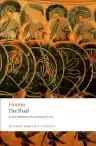
Iliad
The earliest-conventionally-dated of the two surviving Homeric epics and the usual entry point to Homer.
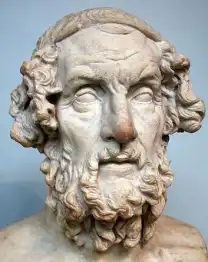
Author guide
Homer is the traditional name associated with the Iliad and the Odyssey, foundational works of ancient Greek epic poetry. His identity, historical existence, and precise role in the composition and transmission of the poems remain uncertain; modern scholarship generally treats the two epics as distinct works shaped from oral traditions. Other poems, including the Homeric Hymns and various lost epic-cycle poems, were attributed to Homer in antiquity but are not generally accepted as his authored works.
Catalog record updated .
Not sure where to begin?
The earliest-conventionally-dated of the two surviving Homeric epics and the usual entry point to Homer.
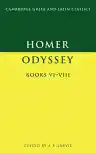
A self-contained epic that can also be read independently; traditionally follows the Iliad chronologically.
Outside the series
epic poem · c. 7
Set in the Trojan War, the ten-year siege of Ilium by a coalition of Greek states, it tells of the battles and events during the weeks of a quarrel between King Agamemnon and the warrior Achilles. - [Wikipedia][1] [1]:…
epic poem · c. 7
The Odyssey (/ˈɒdəsi/; Greek: Ὀδύσσεια, Odýsseia) is one of two major ancient Greek epic poems attributed to Homer. It is, in part, a sequel to the Iliad, the other work ascribed to Homer. The poem is fundamental to the modern Western…
Homer is the traditional name of an ancient Greek poet credited with the Iliad and the Odyssey. Very little is known about the historical person behind the name.
Sources: poets.org (opens in a new tab)pbs.org (opens in a new tab)
That remains uncertain. Scholars debate whether one poet composed both epics or whether they grew from a broader oral tradition involving multiple poets and performers.
Sources: poets.org (opens in a new tab)classics.ucdavis.edu (opens in a new tab)
Homer’s dates cannot be established with confidence, but he is traditionally placed around the eighth century BCE. The poems themselves are generally dated from the eighth to the mid-seventh century BCE.
Sources: poets.org (opens in a new tab)lib.uchicago.edu (opens in a new tab)
The Homeric poetry grew from an oral performance tradition, drew on stories about the Bronze Age past, and reflects contact with neighboring ancient Near Eastern cultures.
Sources: classics.ucdavis.edu (opens in a new tab)lib.uchicago.edu (opens in a new tab)
Homer’s poetry stands at the roots of Western literary tradition, shaped Greek education, and became a central model for later authors. Its characters and narratives continue to influence literature and other media.
Sources: tcd.ie (opens in a new tab)classics.ucdavis.edu (opens in a new tab)