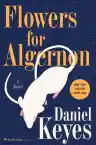
Flowers for Algernon
Keyes's signature novel and the clearest introduction to his psychological and science-fiction writing.

Author guide
Daniel Keyes (1927–2014) was an American author and university lecturer whose work explored intelligence, identity, mental illness, and human psychology. His major works include the science-fiction novel Flowers for Algernon, the Billy Milligan nonfiction series, psychological fiction, true crime, memoir, and short-story collections.
Catalog record updated .
Not sure where to begin?
Keyes's signature novel and the clearest introduction to his psychological and science-fiction writing.
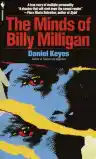
Best starting point for his nonfiction and true-crime work.
Read in order
nonfiction series · complete
A nonfiction series about Billy Milligan, his multiple identities, legal case, treatment, and subsequent disputes.
Book 1 · nonfiction · 1981
Subjected to horrific abuse at the hands of his stepfather, Billy Milligan "went to sleep" to protect himself from the pain. In his place other personalities rose: Ragan, the protector of children; Alan, the fast-talking con man;…
Book 2 · nonfiction · 1993
Outside the series
novel · 1966
Flowers for Algernon is the beloved, classic story of a mentally disabled man whose experimental quest for intelligence mirrors that of Algernon, an extraordinary lab mouse. In poignant diary entries, Charlie tells how a brain operation…
novel · 1968
novel · 1980
A schizophrenic waitress, Sally Porter, is under the sway of four other selves--artistic Nola, tomboyish Derry, singer Bella, murderous Jinx--until a patient psychiatrist helps unite them into a final fifth Sally
nonfiction · 1986
A true crime story with a fascinating psychic twist, it began oneght when club owner Mickey McCann, the go-go girl who lived with him, and McCann's elderly mother, were found shot to death in McCann's home. One month later Claudia Elaine…
novel · 1998
novel · 2009
memoir · 2000
In Flowers for Algernon, Daniel Keyes created an unlikely duo-a laboratory mouse and a man-who captured the hearts of millions of readers around the world. Now, in Algernon, Charlie, and I, Keyes reveals his methods of creating fiction as…
short-story-collection · 1993
collection · 1994
Daniel Keyes (1927–2014) was an American author and university lecturer, best known for Flowers for Algernon.
Keyes worked as a ship’s purser and fiction editor, taught high-school English, and later taught creative writing at Wayne State University and Ohio University.
Sources: danielkeyesauthor.com (opens in a new tab)ohio.edu (opens in a new tab)
Keyes said the idea began with the question of whether human intelligence could be artificially increased. A later conversation with a young man with intellectual disabilities helped inspire the character of Charlie and the story’s central premise.
The short-story version of Flowers for Algernon won the 1960 Hugo Award, while the expanded novel won the 1966 Nebula Award for Best Novel. The Science Fiction and Fantasy Writers of America also honored Keyes as an Author Emeritus.
Sources: sf-encyclopedia.com (opens in a new tab)nebulas.sfwa.org (opens in a new tab)thehugoawards.org (opens in a new tab)
Flowers for Algernon remains widely taught, has been adapted for film, television, theater, and radio, and has stayed in print since 1966. Its lasting influence comes from its empathetic exploration of intelligence, identity, disability, and human dignity.
Sources: sf-encyclopedia.com (opens in a new tab)danielkeyesauthor.com (opens in a new tab)